

The Psychological Tricks of Casino Design
Casinos are masterfully crafted environments that employ a variety of psychological strategies to keep players engaged for as long as possible. One of the most notable tactics is the use of colors, lighting, and sounds. The bright lights and vibrant colors create an exhilarating atmosphere that can heighten excitement and create a sense of urgency, especially in places like neosurf casino , where the immersive sensory experience can lead players to lose track of time, ultimately encouraging them to gamble longer than they originally intended.
Another design element that plays a crucial role is the layout of the games. Casinos often employ a maze-like arrangement that compels players to navigate through various gaming tables and machines. This design strategy keeps players within the vicinity of the gaming floor, increasing the likelihood they will stop and play when they might otherwise have walked away. The strategic placement of popular games in high-traffic areas reinforces this behavior, as players may be drawn in by the thrill and excitement of others winning nearby.
Moreover, casinos often use a technique known as “near misses” to keep players hopeful. By designing games that frequently show near-winning combinations, players can become overly optimistic, believing that they are on the brink of a win. This psychological ploy can lead players to continue gaming in the hopes of achieving that elusive jackpot, thus prolonging their playing time.
Free Amenities and Rewards Programs
To further entice players to remain on the premises, many casinos offer complimentary amenities such as free drinks, meals, and entertainment. These perks create a sense of value and reward, reinforcing the idea that players are getting more than just a gaming experience. When players feel pampered and appreciated, they are more likely to stay longer and spend more money. This hospitality approach is not merely about customer service; it is a calculated effort to enhance the overall experience and increase the time spent on the gaming floor.
Additionally, casinos often implement loyalty programs that reward frequent players with points that can be redeemed for various perks or cash back. These incentives create a sense of commitment, as players feel inclined to return to accrue more rewards. The longer they play, the more benefits they can unlock, which often leads to a cycle of prolonged engagement. By establishing a system of rewards, casinos tap into players’ desires for recognition and value, further encouraging them to stay longer.
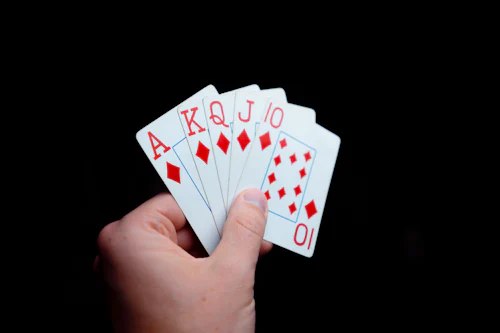
Furthermore, promotional events such as tournaments or raffles can significantly extend player participation. Casinos often host events that require a buy-in or entry fee, enticing players to compete for prizes and accolades. This competitive atmosphere can boost excitement and engagement, as players often lose track of time while chasing not only the prize but also the social interaction that comes with competition. This combination of financial incentive and social engagement serves to keep players invested in their gaming experience.
The Illusion of Winning
Another critical aspect of casino design is the presentation of wins, which can be manipulated to create an illusion of success. For instance, many slot machines and table games are designed to showcase small wins more frequently than actual losses. While the overall odds may not be in the player’s favor, the ratio of small wins creates a false sense of achievement. This clever manipulation can encourage players to continue playing, as they perceive themselves to be winning more often than they truly are.
Luminous displays and celebratory sounds accompanying these small wins enhance the excitement, making players feel as though they are on a lucky streak. The instant gratification associated with these frequent small wins instills a false sense of hope and drives players to continue playing longer. This strategic design emphasizes the psychological aspect of gambling, as players often chase the high that comes with winning, no matter how small the gain.
Moreover, the concept of “losses disguised as wins” is prevalent in many games. This technique occurs when players believe they have won something when, in fact, they have simply received back a portion of their initial stake. It’s a clever way to keep players engaged, as it can lead them to think they are better off than they truly are. By framing losses in a more favorable light, casinos perpetuate the cycle of play, encouraging individuals to stay longer in search of genuine wins.
The Social Environment of Casinos
The social experience within a casino is another powerful element designed to keep players engaged. Many individuals are drawn to the vibrant atmosphere filled with laughter, excitement, and camaraderie. The interplay between players—whether it’s cheering for a friend at the roulette table or striking up a conversation while waiting for a game to open—creates an inviting environment that encourages longer play. This social aspect can be just as enticing as the games themselves, with many players viewing the casino as a social hub.
Additionally, group activities such as poker nights or game tournaments foster an atmosphere of community, where players bond over shared interests and experiences. The excitement of competing against friends or strangers can lead players to stay longer than they planned, drawn in by the thrill of the game and the interactions it fosters. This communal experience not only enhances the enjoyment of the gaming activities but also encourages individuals to keep returning to the casino.
Finally, the presence of friendly staff and dealers can also contribute to the overall enjoyment and desire to stay longer. Staff members often engage with players, offering encouragement and support, which can enhance the overall experience. This interaction helps to create a warm and welcoming environment that reduces the sense of isolation that might occur in other forms of entertainment. The social dynamics at play in a casino make it an appealing destination for many, further incentivizing longer visits.
Understanding the Casino Experience
For those interested in learning more about how casinos operate, understanding the nuanced design choices and psychological strategies can enhance one’s appreciation of the gaming experience. The interplay of lighting, layout, and auditory cues is carefully orchestrated to create an immersive environment that can be both thrilling and risky. By becoming aware of these factors, players can make more informed decisions about their gaming habits and engage with the casino experience in a healthier manner.
Educating oneself about the odds, the impact of rewards programs, and the illusion of winning can empower players to approach casinos with a critical eye. This awareness can help individuals recognize when they may be falling into the traps set by casino design. By maintaining a healthy perspective on gambling, players can enjoy their time at the casino while keeping their limits and expectations in check.
Ultimately, whether for entertainment or social interaction, casinos are designed to captivate and engage. Understanding the intricacies of this well-crafted environment can lead to a more balanced and enjoyable experience. Knowledge is a powerful tool, enabling players to enjoy the thrill of gaming while remaining aware of the tactics in play that are designed to keep them engaged for longer than they might have anticipated.